
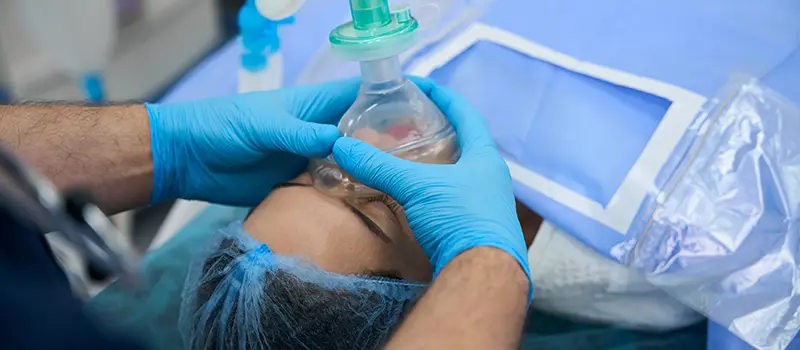
Anaesthesia Hospital in Juhu
CritiCare Asia Hospitals, in Juhu, Mumbai, provides anaesthesia care across every surgical and interventional speciality in the hospital. Anaesthesia is a crucial part of short, long, as well as more complex procedures. Anaesthesiologists are involved at every stage of a patient's surgical journey: assessing fitness for the procedure, selecting the right anaesthetic technique, monitoring vital functions throughout, and managing pain and recovery once it's over. The goal is straightforward - keeping the patient safe, stable, and as comfortable as possible from the moment they enter theatre to the moment they leave.
Services We Provide
- General Anaesthesia
general anaesthesia induces complete unconsciousness for procedures requiring no pain sensation or memory of the surgery, typically used for longer or more invasive operations - Regional Anaesthesia
numbs a specific part of the body, such as the lower half in spinal or epidural blocks, while the patient stays conscious or lightly sedated - Sedation and Monitored Anaesthesia Care
relaxes the patient for shorter or diagnostic procedures, often paired with local anaesthesia - Obstetric Anaesthesia
includes labour analgesia and anaesthesia for caesarean delivery - Peri-Operative Pain Management
covers pain control before, during, and after surgery, reducing dependence on stronger painkillers post-procedure - Paediatric Anaesthesia
here the dose is adjusted as per the requirements of younger patients
Procedures & Assessments
- Pre-Anaesthesia Assessment
a review of medical history, current medications, allergies, and past anaesthesia procedure experiences, supported by basic investigations where needed - Airway Assessment
evaluating the airway in advance to anticipate and plan for any difficulty during intubation - Intra-Operative Monitoring
continuous tracking of heart rhythm, oxygen saturation, blood pressure, and anaesthetic depth throughout the procedure - Post-Operative Pain Management
multimodal pain relief plans designed to control discomfort while limiting opioid use - Recovery Monitoring
close observation after the procedure for nausea, breathing difficulty, or delayed recovery from anaesthesia
Our Approach to Anaesthesia Care
Every anaesthetic plan is built around the individual, not the procedure alone. The pre-anaesthesia consultation looks at the patient's overall health, any existing conditions such as blood pressure, diabetes, heart disease, or any other specific conditions. After complete evaluations and safety precautions, the most appropriate type of anaesthesia is chosen by anaesthesia specialists.
- Anaesthesia plans tailored to each patient's medical history and the procedure being performed
- Continuous monitoring throughout and after the procedure to catch and respond to any changes immediately
- Coordination between surgeons and nursing staff so anaesthetic care fits into the broader treatment plan
Why Choose CritiCare Asia Hospitals for Anaesthesia Care
Anaesthesia works best when it's treated as part of the overall treatment plan rather than a separate step before surgery. At CritiCare Asia Hospitals, this means:
- Anaesthetic technique selected based on the procedure and the patient, not applied uniformly
- Clear communication with patients about what to expect before, during, and after anaesthesia
- Close coordination between anaesthesiology and every surgical and procedural department in the hospital
- Structured post-operative pain management aimed at supporting faster, more comfortable recovery
Book a Consultation
If you have an upcoming surgery and want to understand the anaesthesia plan involved, or have concerns about a past anaesthesia experience, reach out to CritiCare Asia Hospitals to speak with our team.